Contents dan Daftar isi
How Artificial Intelligence Is Transforming Education: Opportunities, Challenges, and Future Trends
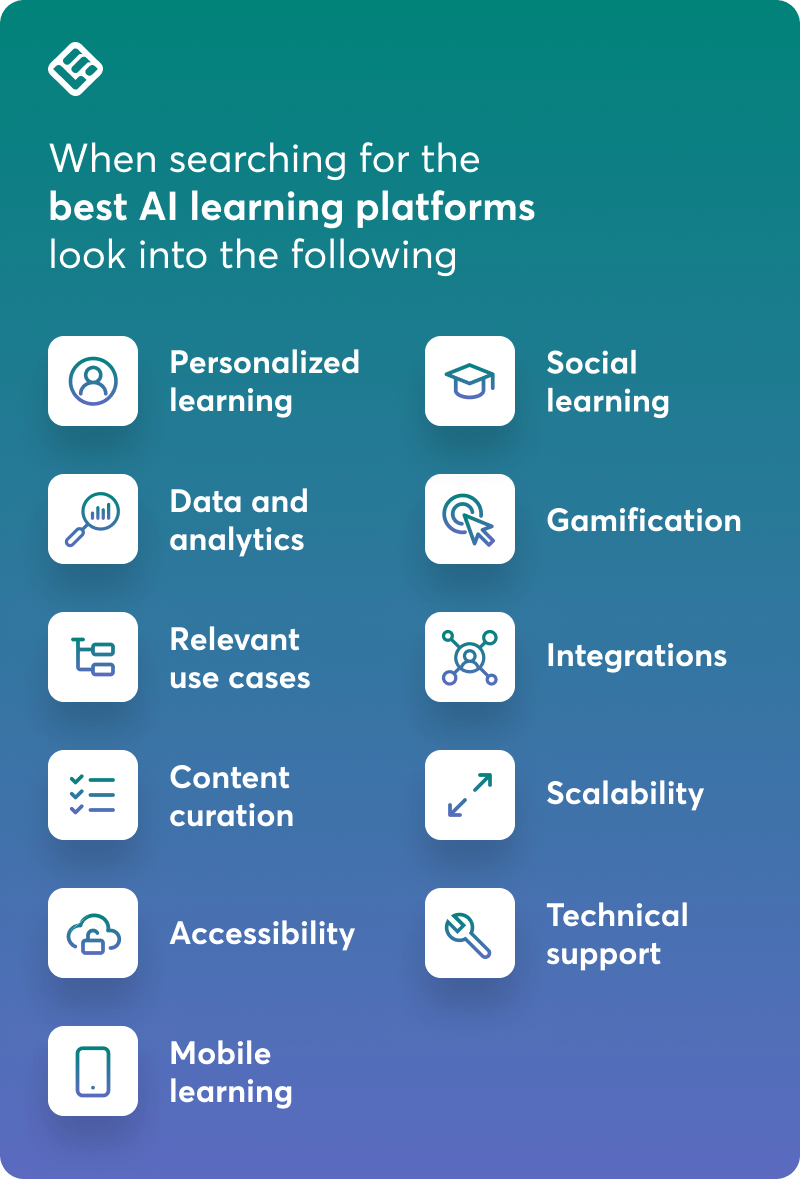

Introduction
Artificial Intelligence (AI) has rapidly evolved from a futuristic concept into a transformative force reshaping multiple industries—most notably education. From personalized learning systems to automated assessment tools, AI is redefining how knowledge is delivered, accessed, and evaluated. As global demand for flexible, data-driven, and scalable learning solutions grows, AI-driven education has emerged as one of the most lucrative and high-CPC niches in digital publishing and online marketing.
Educational institutions, edtech startups, corporate training providers, and governments are investing billions of dollars into AI-powered learning technologies. For learners, AI promises efficiency, personalization, and accessibility. For educators, it offers insights, automation, and enhanced instructional design. This article explores how AI is transforming education, examines its benefits and challenges, and highlights future trends that will define the next generation of learning.
Understanding Artificial Intelligence in Education
Artificial Intelligence in education refers to the application of machine learning, natural language processing (NLP), data analytics, and automation technologies to enhance teaching and learning processes. Unlike traditional educational software, AI systems continuously learn from user behavior, adapt content, and generate insights in real time.
Core AI technologies used in education include:
-
Machine Learning (ML): Enables systems to analyze learner data and improve recommendations.
-
Natural Language Processing (NLP): Powers chatbots, automated feedback, and language learning tools.
-
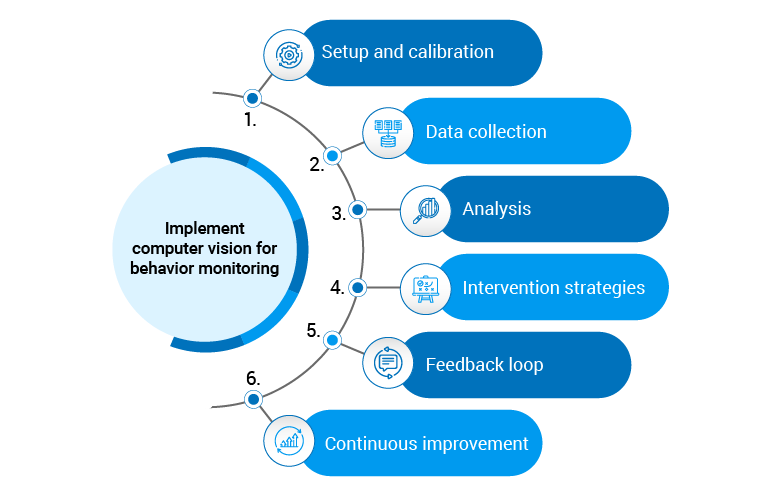
Computer Vision: Used in remote proctoring and facial recognition for attendance and engagement tracking.
-
Predictive Analytics: Identifies learning gaps and predicts academic outcomes.
These technologies collectively enable adaptive learning environments that respond to individual learner needs.
Personalized Learning: The Biggest Advantage of AI
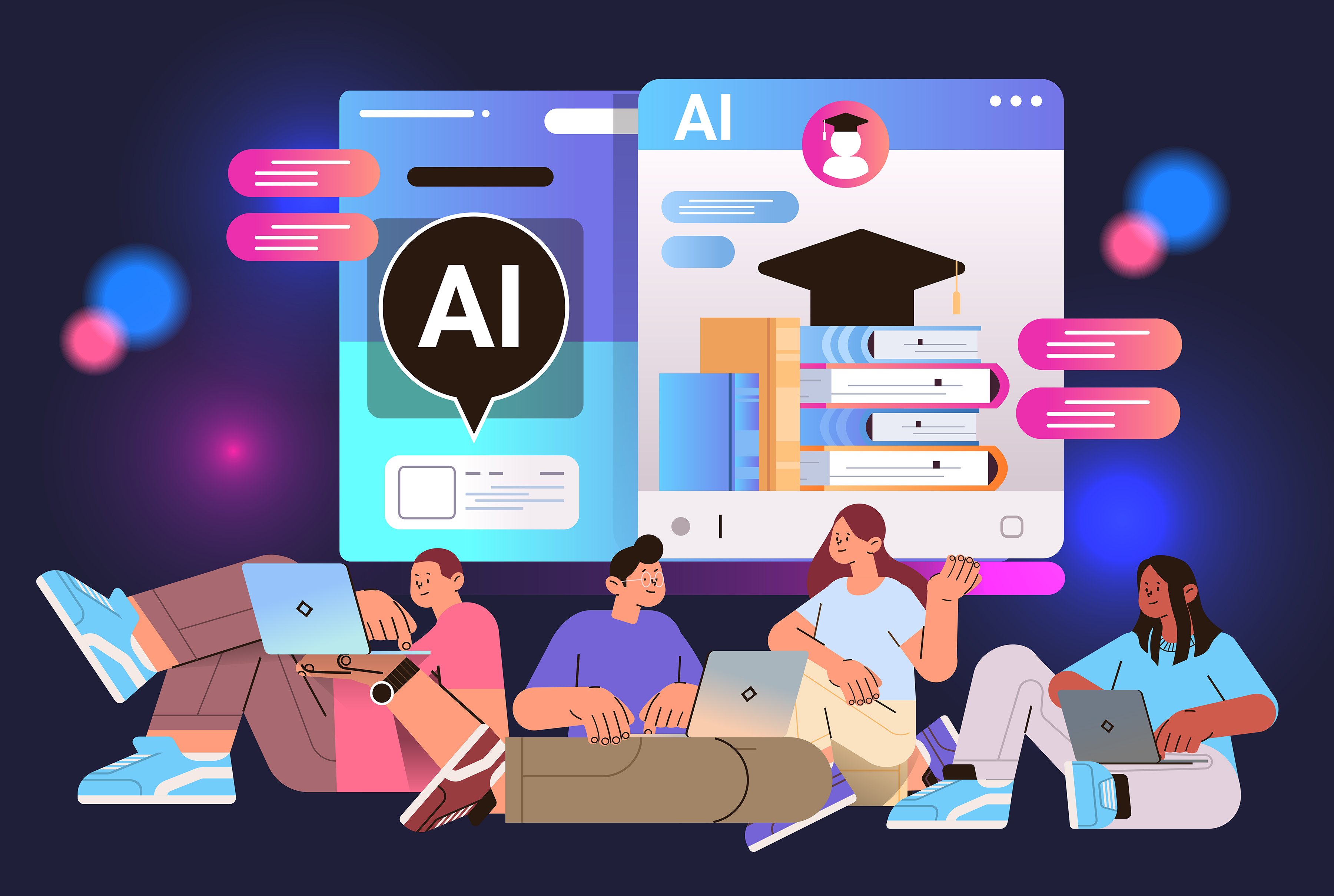

One of the most powerful applications of AI in education is personalized learning. Traditional classrooms often adopt a one-size-fits-all approach, which fails to accommodate differences in learning speed, style, and background knowledge. AI-driven platforms address this challenge by:
-
Adjusting content difficulty based on learner performance
-
Recommending personalized learning paths
-
Providing instant feedback and remediation
-
Identifying strengths and weaknesses through data analysis
Personalized learning improves learner engagement, boosts retention rates, and enhances overall academic performance. As a result, AI-powered personalization has become a major selling point for premium edtech products—driving high CPC advertising in this niche.
AI Tutors and Virtual Learning Assistants
AI-powered tutors and virtual assistants are revolutionizing student support systems. Unlike human tutors, AI tutors are available 24/7, scalable, and cost-effective. These systems can:
-
Answer student questions instantly
-
Provide explanations in multiple formats (text, audio, video)
-
Offer practice exercises tailored to learner needs
-
Support self-paced and remote learning
In higher education and corporate training, AI tutors reduce dependency on instructors while maintaining high-quality learner support. This has made AI tutoring solutions highly attractive to institutions seeking efficiency and scalability.
Automated Assessment and Intelligent Feedback
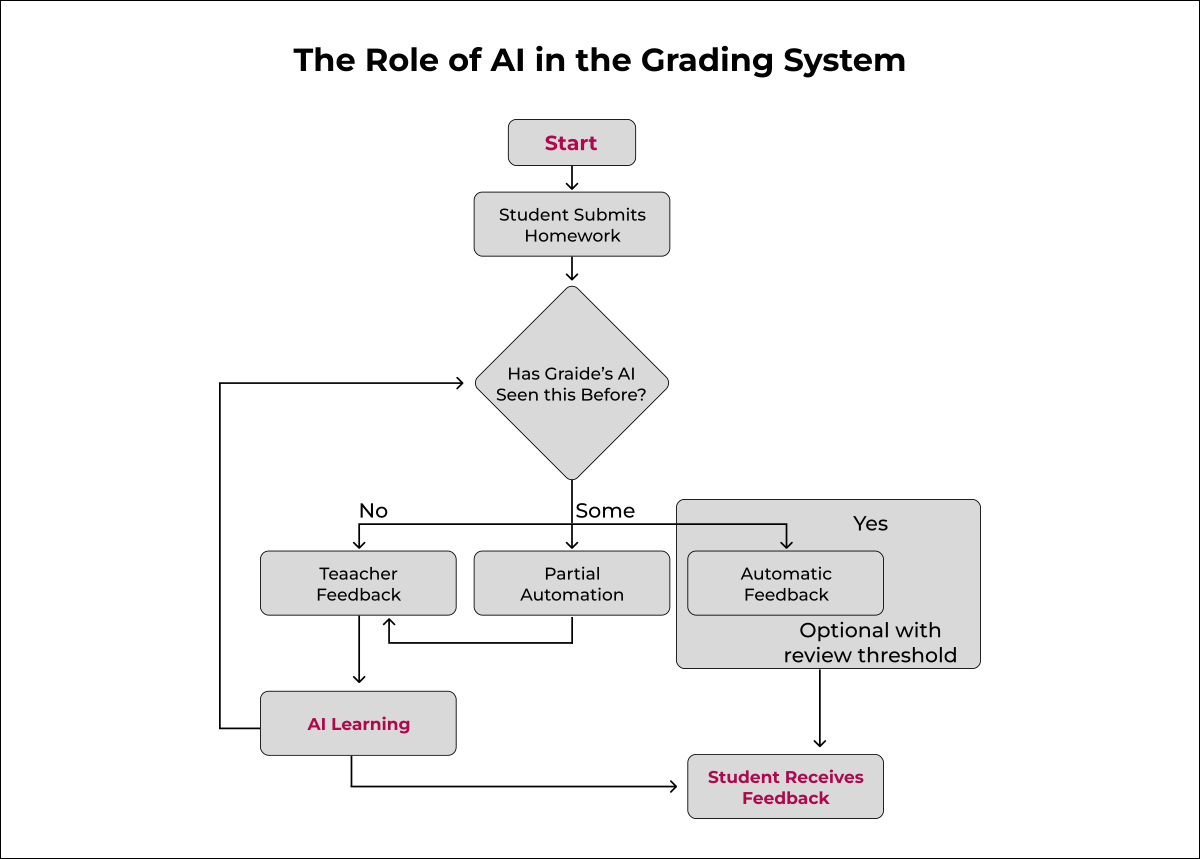

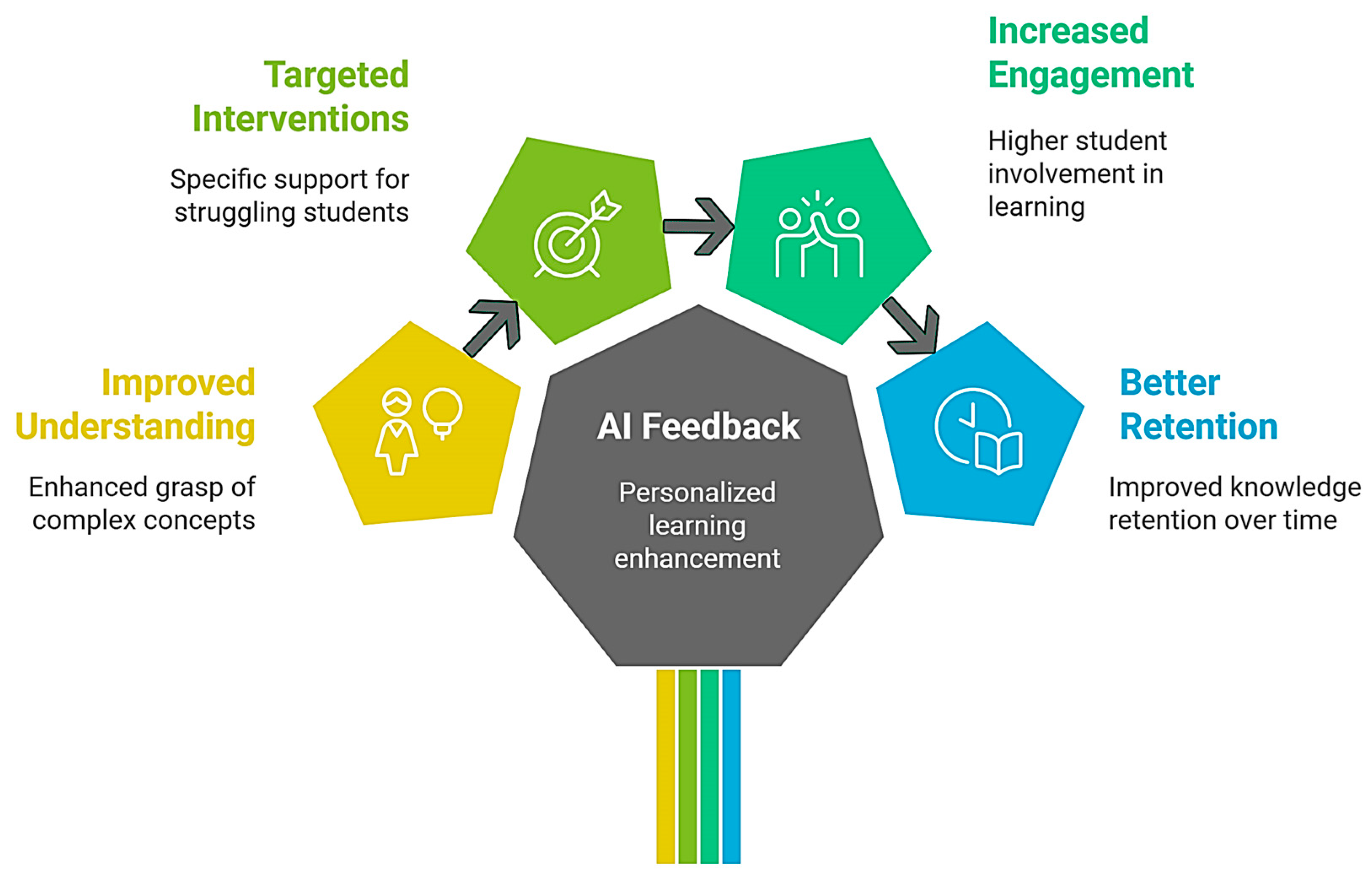
Assessment is one of the most time-consuming tasks for educators. AI addresses this issue through automated grading and intelligent feedback systems. These tools can evaluate:
-
Multiple-choice and short-answer questions
-
Essays using NLP and semantic analysis
-
Language pronunciation and fluency
-
Coding assignments and simulations
Beyond grading, AI systems provide data-driven feedback, highlighting specific areas for improvement. This immediate feedback loop accelerates learning and allows educators to focus on higher-order instructional tasks such as mentoring and curriculum design.
Enhancing Online and Remote Learning
The global shift toward online education has intensified the need for intelligent learning systems. AI enhances online learning by:
-
Monitoring learner engagement and attention
-
Detecting drop-out risks through predictive analytics
-
Supporting adaptive pacing and content delivery
-
Enabling secure remote proctoring
AI-driven online education platforms have become a cornerstone of digital transformation strategies, making this topic highly valuable for SEO and monetization.
Data-Driven Decision Making in Education
AI enables educational institutions to harness the power of big data. By analyzing vast amounts of learner data, institutions can:
-
Improve curriculum effectiveness
-
Optimize instructional strategies
-
Predict student success and retention
-
Allocate resources more efficiently
This data-driven approach transforms education into a measurable, optimized system—aligning closely with corporate training models and performance-based education frameworks.
Challenges and Ethical Considerations
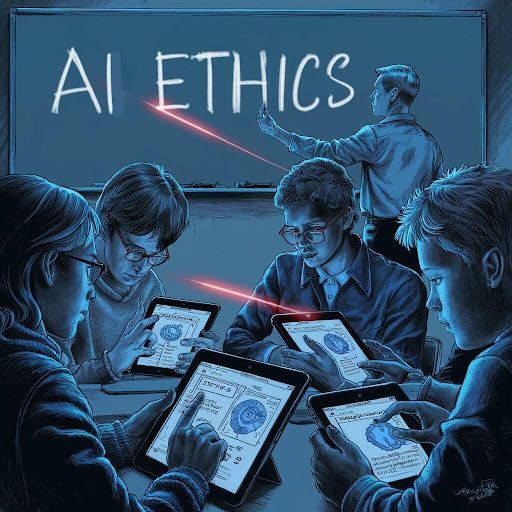


Despite its advantages, AI in education presents several challenges:
1. Data Privacy and Security
AI systems rely heavily on student data, raising concerns about data protection, consent, and misuse. Institutions must comply with data protection regulations and implement robust security measures.
2. Algorithmic Bias
Biased data can lead to unfair recommendations or assessments. Ensuring transparency and fairness in AI algorithms remains a critical concern.
3. Teacher Displacement Concerns
While AI enhances efficiency, it should support—not replace—educators. Human judgment, empathy, and ethical guidance remain irreplaceable.
4. Digital Divide
Access to AI-powered education is uneven, particularly in developing regions. Bridging this gap is essential for equitable educational transformation.
The Role of Educators in an AI-Driven Classroom
Contrary to common fears, AI does not eliminate the role of teachers—it redefines it. Educators transition from content deliverers to:
-
Learning facilitators
-
Mentors and coaches
-
Curriculum designers
-
Ethical and emotional guides
Successful AI integration depends on teacher training, digital literacy, and pedagogical adaptation.
Future Trends of Artificial Intelligence in Education
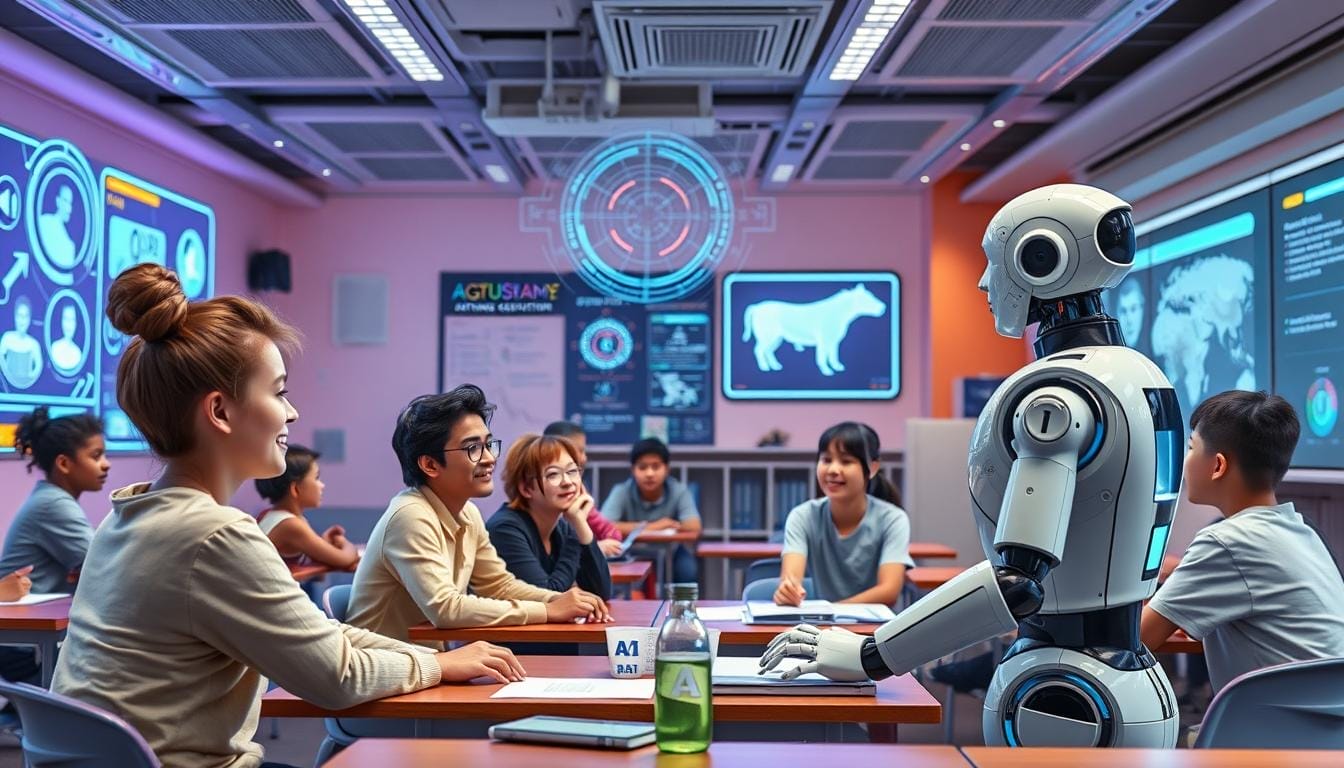

The future of AI in education is marked by several emerging trends:
-
Immersive Learning: Integration of AI with VR and AR for experiential education
-
Lifelong Learning Systems: AI-driven reskilling and upskilling platforms
-
Emotion AI: Systems that detect emotional states to adjust instruction
-
Generative AI: Automated content creation, simulations, and adaptive assessments
These trends indicate that AI will not merely enhance education—it will redefine the learning ecosystem.
Why AI in Education Is a High-CPC SEO Goldmine
From an SEO and digital marketing perspective, AI in education attracts advertisers from multiple high-budget sectors:
-
EdTech SaaS platforms
-
Online universities and certification providers
-
Corporate training companies
-
AI software developers
-
Learning management systems (LMS)
Keywords such as AI-powered learning, online education technology, adaptive learning systems, and AI tutoring platforms consistently generate high CPC and strong search intent, making this topic ideal for long-term content monetization.
Conclusion
Artificial Intelligence is transforming education at every level—from classrooms and universities to corporate training and lifelong learning ecosystems. By enabling personalized learning, intelligent assessment, and data-driven decision-making, AI enhances both efficiency and educational quality.
However, successful implementation requires ethical awareness, inclusive access, and strong collaboration between technology and pedagogy. As AI continues to evolve, education systems that adapt strategically will gain a competitive advantage in a rapidly changing global landscape.
For content creators, educators, and digital entrepreneurs, AI in education represents not only an innovation frontier—but also a golden opportunity for sustainable, high-value content creation.
Related posts:

IDWX: Panduan Lengkap Memilih Jam Tangan Rolex Ori dan Update Harga Jam Rolex Terbaru


Panduan Lengkap EDP dan EDT: Teknik Semprot Parfum agar Tahan Lama Sepanjang Hari

Mahasiswa S3 Pendidikan Bahasa Arab UM Dalami Wawasan Pendidikan Lewat Diskusi Luring Interaktif

Fitur Kasir POS Modern untuk Restoran: Solusi Lengkap dari ESB